Diamond Head Military History
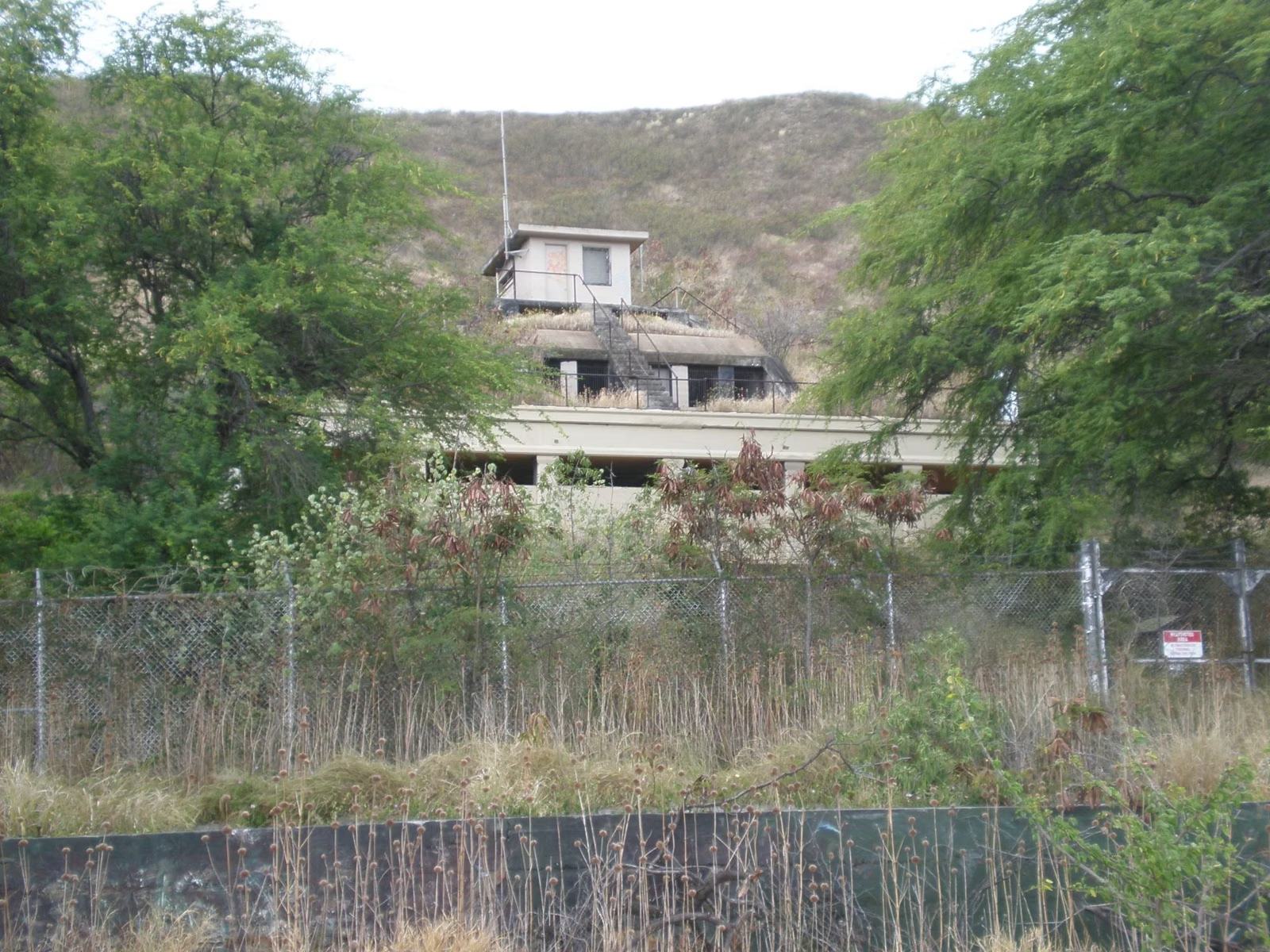
Diamond Head was a U.S. Army coastal fort. The federal government bought the crater for military use in 1904, began fortifying it in 1908, and built five artillery batteries, a summit Fire Control Station completed in 1911, and bunkers along the rim around 1915. According to Hawaii State Parks, no artillery at Diamond Head was ever fired during a war. Its military features belong to the Fort Ruger Historic District.
Military History at a Glance
Why the Army Chose Diamond Head
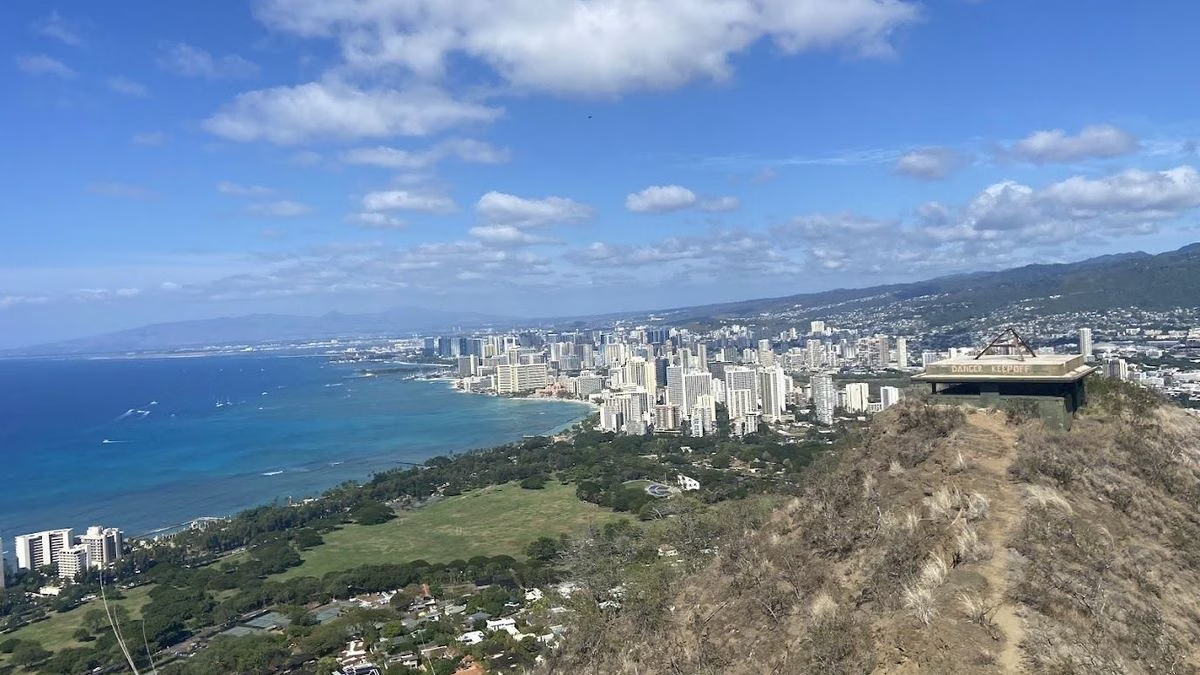
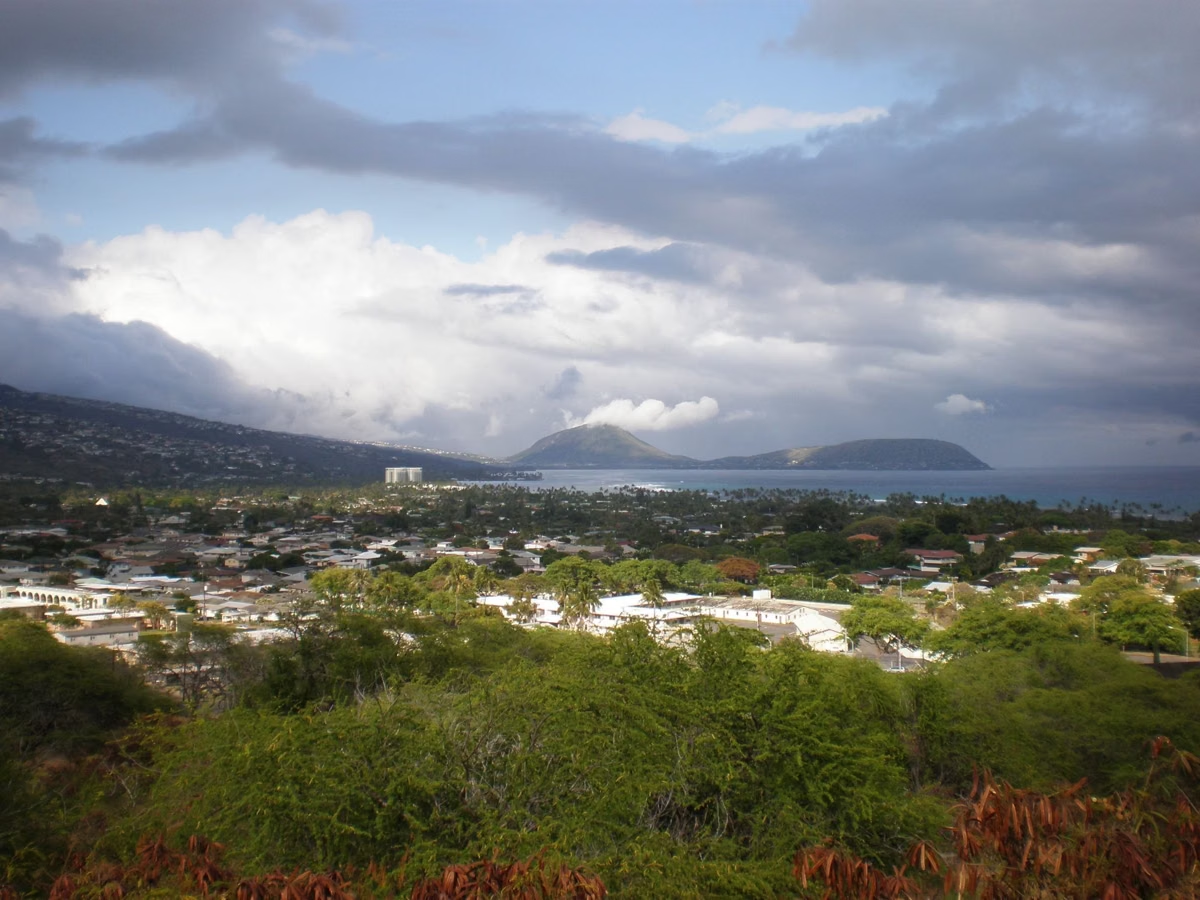
The summit's view runs from Koko Head to Waiʻanae, a sweep of the south shore that made it a natural lookout for defending Oʻahu. The state's brochure calls it an ideal site for coastal defense.
The Batteries
The brochure lists five batteries built at the crater:
- Battery Harlow (1910), on the northern outside slope.
- Batteries Dodge and Hulings (1913), tunneled through the eastern crater wall.
- Battery Birkhimer (1916), mostly underground inside the crater.
- Battery 407 (1943), tunneled through the southern wall, facing the sea.
Long-range guns were also mounted on the outer slopes and rim around 1915, and bunkers along the rim date from that year.
The Fire Control Station
Built at the summit between 1908 and 1910 and completed in 1911, the station held instruments and plotting rooms for aiming the guns. Observers triangulated targets and directed fire from Batteries Randolph and Dudley at Fort DeRussy in Waikīkī and Battery Harlow at Fort Ruger. Its four levels were camouflaged with rubble set in concrete, with shuttered slits facing the sea. Hikers climb through it today. See the summit.
The Trail Was Built for Mules
The summit trail of 1908 was a dirt path with many switchbacks for mules and soldiers on foot. Mules hauled building materials for the station up the trail; other loads were winched by cable from the crater floor to a concrete landing partway up, which you still pass. The trail began at the Kapahulu Tunnel through the north wall from Fort Ruger. The Kahala Tunnel, today's entrance, came in the 1940s. See tunnels.
Diamond Head Today
The crater is now a state monument, but the military link remains: after the 6 p.m. close, the reservation site says, the park is secured by the Department of Defense. Visitors stay on the trail route; the brochure asks people not to enter closed or unauthorized areas. Pacific Historic Parks, the visitor center partner, also supports remembrance ceremonies here.
Diamond Head Military History FAQ
Was Diamond Head a military base?
Yes. The federal government bought it for military use in 1904, and the Army fortified it from 1908 as part of Oʻahu's coastal defenses.
Did the guns at Diamond Head ever fire?
Not in war. Hawaii State Parks says Diamond Head was prepared to defend Oʻahu, but no artillery was ever fired during a war.
What are the bunkers on Diamond Head?
Observation and gun positions from the Army's coastal defense system, mostly built around 1915 along the rim, plus the 1911 Fire Control Station at the summit.
Is Diamond Head still military?
It is a state monument, but the Department of Defense secures the park after it closes at 6 p.m., according to the reservation site.